Video: Watch on YouTube
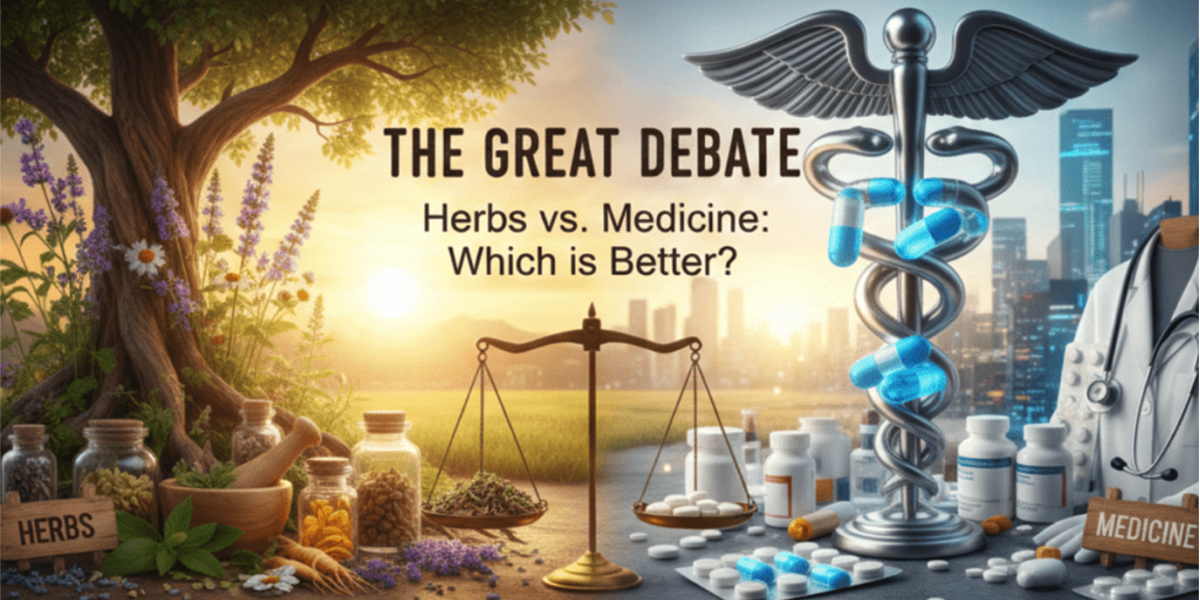
For many, the choice between traditional and modern medicine is entirely situational, dictated by the perceived severity and nature of the ailment. Popular belief frequently routes specific conditions such as complex bone fractures or long-term reproductive challenges straight to traditional practitioners.
Proponents of herbal remedies passionately defend their choice by pointing to nature, viewing plant-based treatments as a pure, culturally aligned form of healing. However, even the most dedicated supporters acknowledge a major hurdle: the lack of standard measurement. Without exact diagnostics, traditional medicine can sometimes rely on guesswork.
Conversely, a growing number of people strictly advocate for modern medicine, pointing to its clinical immediacy and data-driven approach. Yet, modern medicine is not without its own setbacks — high costs, emerging drug resistance, and limited accessibility in rural areas.
Recognizing that up to 80% of the population still relies on traditional remedies as primary care, public health landscapes are shifting from conflict to collaboration. The WHO has rolled out global strategies to scientifically validate and safely integrate indigenous knowledge into formal healthcare systems. The ultimate goal is not to choose one path over the other, but to establish a safe, hybrid reality.